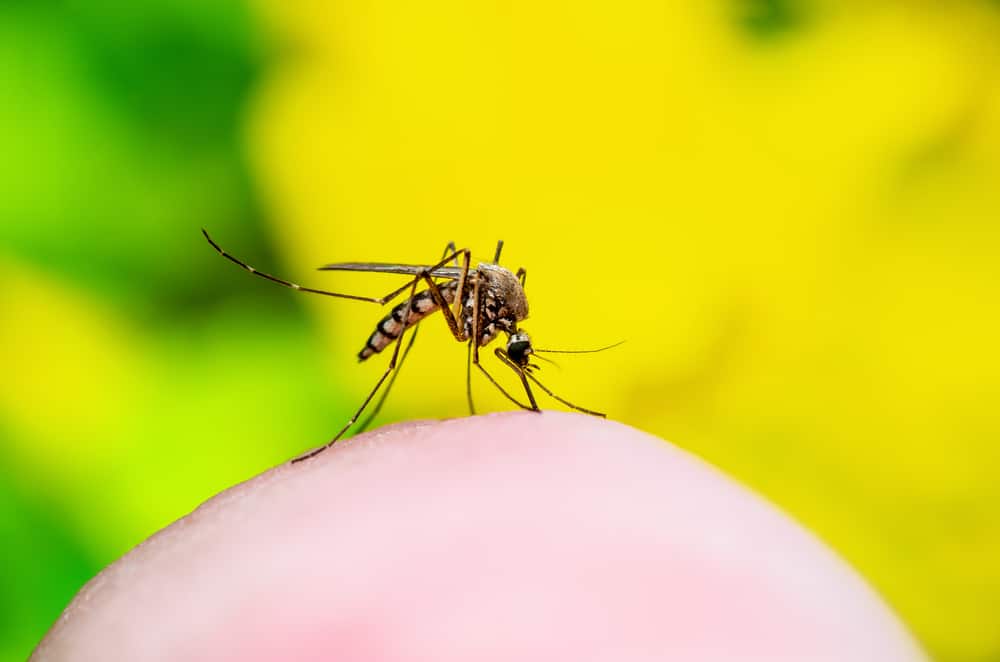

Testing WP module
Testing the html
Travel Jabs Thailand: Complete Guide to Essential Vaccines, Protection & Expert Advice
Getting Thailand vaccines doesn’t mean trekking into central London, wrestling with NHS redirect systems, or searching endlessly for appointment slots around your work schedule. There’s a simpler way.
Over 1 million British travellers visited Thailand in 2024. Bangkok’s gleaming skyscrapers and pristine beach resorts look safe on Instagram, but the country presents genuine health risks most tourists underestimate. Dengue fever remains a significant concern throughout Thailand. Japanese Encephalitis stays endemic in rural areas, particularly during rainy season from May to October.
We’re Ealing Travel Clinic at Northfield Pharmacy, 30 Northfield Avenue, London, W13 9RL. We specialise in getting travellers protected without the usual hassle. As a NATHNAC registered Yellow Fever Centre, we provide comprehensive travel health services with transparent pricing and same-day appointments available.
Book your travel health consultation by calling 0208 567 0982 or booking online at our appointment system. We’re open Monday-Friday 8am-6:30pm and Saturday 9am-5:30pm, making it easier to fit appointments around work and family commitments.
[INSERT IMAGE 1]
Essential Vaccines for Thailand: What You Need
No medical jargon here. Just straightforward information about each vaccine recommended for Thailand, what it costs, and why you need it.
Hepatitis A – £45
Hepatitis A spreads through contaminated food and water, surprisingly common even in Thailand’s tourist hotspots. Street food stalls, ice in drinks, unwashed fruit—these everyday experiences can transmit the virus that attacks your liver.
Thailand poses a moderate to high Hepatitis A risk throughout the country. Even luxury resorts can’t guarantee complete protection because the virus spreads so easily through food handlers or contaminated water sources.
The vaccine provides around 95% protection within two to four weeks of your first dose. After a booster 6-12 months later, you’re protected for at least 25 years, possibly lifetime. One of the most cost-effective travel vaccines available.
Hepatitis B – £40
Hepatitis B transmits through blood and bodily fluids. Medical procedures, dental work, tattoos, or any situation involving needles puts you at risk. Even a visit to a Thai hospital for a twisted ankle could expose you if equipment isn’t sterilised correctly.
Thailand has a moderate Hepatitis B prevalence, with around 5-8% of the population being carriers. Risk increases substantially if you’re travelling long-term, might need medical treatment, or engage in activities like scuba diving where injuries requiring medical attention are more common.
The standard course involves three doses: initial vaccination, second dose at one month, third dose at six months. You’ll have some protection after the second dose and over 95% protection after completing the course, lasting at least 20 years.
Ready to get protected? Call us on 0208 567 0982 to book your consultation, or book online here.
Typhoid – £30
Typhoid fever spreads through contaminated food and water, causing high fever, headaches, and potentially life-threatening complications. The bacteria thrives in areas with poor sanitation—which includes many parts of Thailand outside major tourist zones.
Venturing beyond Bangkok’s shopping malls and Phuket’s beach clubs? Typhoid protection becomes important. Rural areas, local markets, and authentic street food experiences all increase your exposure risk.
The injectable vaccine provides around 70% protection beginning roughly two weeks after vaccination and lasts for three years. Not perfect protection, but combined with sensible food hygiene, it significantly reduces your risk.
Japanese Encephalitis – £100
Japanese Encephalitis is a mosquito-borne viral infection affecting the brain. Rare, yes. Incredibly serious, absolutely. About 20-30% of cases are fatal, and 30-50% of survivors have permanent neurological damage.
Thailand has transmission in rural agricultural areas, particularly rice paddies and pig farms, with highest risk during rainy season from May to October. The mosquitoes that carry it bite during evening and night-time hours, precisely when you’re likely to be outdoors enjoying dinner or evening activities.
The vaccine course requires two doses given 28 days apart. You’ll need to complete both doses at least one week before potential exposure for full protection. Protection lasts at least 12 months, with a booster extending coverage.
Rabies – £90
Rabies transmits through bites or scratches from infected animals—primarily dogs, but also monkeys, bats, and other mammals. Once symptoms appear, rabies is almost invariably fatal.
Thailand has one of the higher rabies rates in Southeast Asia. Street dogs and temple monkeys pose particular risks.
The pre-exposure rabies course involves three doses: day 0, day 7, and day 21-28. This doesn’t eliminate the need for treatment if you’re bitten, but it reduces the number of post-exposure injections needed from five to two. It also eliminates the need for rabies immunoglobulin, which can be difficult to obtain in remote areas.
Protection lasts roughly 1 year before a booster blood test is recommended to confirm antibody levels remain adequate if you have ongoing exposure risk.
Cholera Vaccine – £45
Cholera spreads through severely contaminated water and causes potentially fatal dehydration through severe diarrhoea. Less common in Thailand’s tourist areas, but outbreaks can occur, particularly after flooding or natural disasters.
The oral cholera vaccine (Dukoral) also provides some protection (around 60%) against certain types of traveller’s diarrhoea caused by enterotoxigenic E. coli. This dual protection makes it worth considering for longer trips.
You’ll take two doses one to six weeks apart, completing the course at least one week before travel. Protection against cholera lasts two years and includes that partial E. coli coverage for roughly three months.
[INSERT IMAGE 2]
All our consultations are included in the vaccine price. No hidden fees. Book your appointment today: 0208 567 0982 or online here.
### KEY POINT – Getting Your Timing Right: When to Start the Vaccine Process
Timing your travel vaccines makes the difference between adequate protection and wasting money on jabs that haven’t taken effect yet.
Ideal Timeline: 6-8 Weeks Before Departure
Starting two months before travel gives you time to complete multi-dose courses and allows your immune system to build full protection. This timeline works perfectly for Japanese Encephalitis (two doses 28 days apart), Hepatitis B courses, and rabies vaccination.
You’ll avoid the stress of rushed appointments and last-minute availability issues. We can spread the cost across multiple visits. If you experience any unusual reactions, there’s plenty of time to address them.
Realistic Timeline: 2-4 Weeks Before Travel
Most travellers fall into this category. Good news: you can still get excellent protection within this timeframe.
Hepatitis A provides protection within two to four weeks. Typhoid works within roughly two weeks. Yellow Fever certification is valid from 10 days after vaccination.
For Japanese Encephalitis, we can use an accelerated schedule with doses given on days 0 and 7, though the standard 28-day interval provides better long-term protection. Rabies can follow an accelerated schedule if necessary, though you’ll still need at least three weeks to complete the course.
Last-Minute Protection (Less Than 2 Weeks)
Even if you’re travelling within days, vaccination still offers valuable protection.
Hepatitis A begins working within two weeks, with some immunity building from the first week. Typhoid takes roughly two weeks for protection but begins offering some immunity earlier.
We’ll prioritise vaccines based on your specific itinerary and risk factors, ensuring you get the most critical protection first.
Specific Protection Onset Times
Here’s exactly when each vaccine starts working:
- Hepatitis A: Around 95% protected at 2-4 weeks
- Hepatitis B: Protection builds gradually; some immunity after first dose, over 95% after completing three-dose course
- Typhoid (injectable): Roughly 70% protected from 2 weeks
- Japanese Encephalitis: Full protection 7 days after second dose
- Rabies: Partial protection during course, full pre-exposure protection after completing three-dose series
- Yellow Fever: Certificate valid from 10 days post-vaccination, protection begins around 10 days
- Cholera (Dukoral): Protection begins 1 week after completing two-dose course
Don’t leave your health to chance. Call us now on 0208 567 0982 to discuss your travel dates and create the right vaccination schedule for your trip.
[INSERT IMAGE 3]
### KEY POINT – Why Choose Ealing Travel Clinic for Your Thailand Vaccines
We’re located at Northfield Pharmacy, 30 Northfield Avenue, London, W13 9RL. Easily accessible from across West London without the expense and hassle of travelling into central London.
Travel Times to Our Clinic
- From Ealing Broadway: 5-minute bus journey on routes 207 or E2, or 15-minute walk
- From Hanwell: 10 minutes by bus on route 207 or E7
- From Greenford: 12 minutes on route 92 bus
- From Acton: 8-minute journey on route E2 or 607 bus
The nearest stations are Northfields (Piccadilly Line)—just 5 minutes’ walk—and South Ealing—10 minutes’ walk. Multiple bus routes stop directly outside, making us one of the most accessible travel clinics in West London.
No Parking Available
There’s no dedicated parking at the pharmacy, though limited street parking exists on surrounding roads. We strongly recommend using public transport given our excellent connections. The Piccadilly Line links directly to Heathrow, making us convenient if you need a last-minute vaccine before departure.
Better Than High Street Chains
Large chains offer travel vaccination services, but you’ll typically face longer waiting times for appointments, especially during peak travel season. Their pricing structures can vary, and you may see different clinicians at each visit.
We provide continuity of care with Superintendent Pharmacist Sachin Mehta (GPhC Reg: 2084088) overseeing all travel health services. As a NATHNAC registered Yellow Fever Centre, we maintain the highest standards and can provide official Yellow Fever certificates required for certain travel routes.
Flexible Opening Hours
Open Monday-Friday 8am-6:30pm and Saturday 9am-5:30pm, we accommodate working professionals who can’t take time off during standard business hours. Saturday clinics are particularly popular. Book early to secure your preferred time.
Experience the difference that expert, personalised care makes. Book your consultation at our online booking system or call 0208 567 0982.
### KEY POINT – Transparent Pricing: Exactly What You’ll Pay
We believe in complete price transparency. Here’s exactly what each vaccine costs. No hidden fees or surprise charges.
Individual Vaccine Prices
- Hepatitis A: £45
- Hepatitis B: £40
- Typhoid: £30
- Japanese Encephalitis: £100 (per dose)
- Rabies: £90 (per dose)
- Yellow Fever: £70
- DTP (Diphtheria, Tetanus, Polio): £30
- Cholera: £45
- Meningitis ACWY: £45
- Malaria tablets: £2 (per tablet—total cost depends on trip duration)
Typical Thailand Travel Packages
Basic Protection Package: £120
- Hepatitis A: £45
- Typhoid: £30
- Cholera: £45
Suitable for short trips to tourist areas, beach resorts, and major cities.
Comprehensive Protection Package: £265
- Hepatitis A: £45
- Hepatitis B (first dose): £40
- Typhoid: £30
- Cholera: £45
- Japanese Encephalitis (first dose): £100
- DTP booster: £30
Recommended for trips involving rural areas, extended stays, or adventure activities.
Extended Stay Package: £535
- All vaccines from Comprehensive Package
- Rabies course (three doses): £270
For backpackers, volunteers, or anyone spending months in Thailand, particularly in rural areas.
What’s Included in These Prices
Your consultation with our qualified travel health specialist is included in the vaccine price. We’ll review your complete travel itinerary, assess your individual risk factors, discuss your medical history, and create a personalised protection plan.
Absolutely no hidden fees. The prices listed are what you pay.
We’ll give you a complete cost breakdown during your consultation before administering any vaccines, so you’re never surprised by the bill.
Payment Options
We accept cash, all major debit and credit cards, and contactless payments. If you’re having multiple vaccines across several appointments, you can pay at each visit rather than upfront.
Insurance Reimbursement
Many comprehensive travel insurance policies cover travel vaccinations. We provide detailed receipts with vaccine batch numbers, dates, and specific costs to support your insurance claim.
Check your policy documents. Some insurers require pre-approval for reimbursement.
Private health insurance through employers sometimes covers travel vaccines. Worth checking before your appointment.
Get protected without breaking the bank. Call 0208 567 0982 to discuss package options for your Thailand trip, or book your consultation online.
[INSERT IMAGE 4]
How to Book Your Thailand Travel Vaccines
Booking your travel health consultation with us is straightforward, with options to suit your schedule.
Three Ways to Book
By Phone: Call us on 0208 567 0982 during opening hours. You’ll speak directly with our pharmacy team who can answer immediate questions and find appointment slots that work for you.
Online: Visit our booking portal to see real-time availability and book instantly. The system shows exactly which dates and times have availability, perfect if you’re booking outside our opening hours.
Walk-in: Whilst we prefer appointments to guarantee your time slot, we occasionally accommodate walk-ins for urgent travel situations. Call ahead to check whether we can see you without an appointment.
Same-Day Appointments
We often have same-day availability, particularly Monday through Friday. If you’ve just realised your trip is coming up fast, don’t panic. Call us and we’ll do our best to fit you in urgently.
What to Bring to Your Appointment
Bring any previous vaccination records you have, even childhood immunisation cards. Many travellers don’t realise they’re already protected against Hepatitis B or have recent DTP boosters, potentially saving money.
Your travel itinerary helps us assess risk accurately. We need to know which regions you’re visiting, whether you’re staying in cities or rural areas, your accommodation type, and planned activities.
If you take regular medications or have health conditions, bring a list or your prescription details. Certain health conditions affect vaccine recommendations or timing.
What Happens During Your Consultation
Your appointment typically lasts 20-30 minutes. We’ll discuss your travel plans in detail, assess your medical history, and explain which vaccines you need based on NHS and WHO guidelines for Thailand.
You’ll receive clear information about each recommended vaccine: what it protects against, potential side effects, and exact costs. We never pressure you into vaccines you don’t need. The final decision is always yours.
If you proceed with vaccination, we’ll administer the vaccines during the same appointment. You’ll receive an official vaccination record documenting each vaccine, batch number, and date. Keep this safe for your trip and any future travel.
Family and Group Bookings
Travelling to Thailand with family or friends? We can schedule appointments back-to-back so everyone gets seen efficiently.
Children’s vaccination schedules sometimes differ from adults. We’ll explain the specific recommendations for young travellers.
Group bookings for volunteer organisations or business travel are welcome. Contact us to arrange coordinated appointments.
Start your protection plan today. Book online at our appointment portal or call 0208 567 0982.
Side Effects and Safety Information
Understanding potential side effects helps you prepare and reduces anxiety about vaccination. The vaccines we provide have excellent safety records backed by decades of use and millions of doses administered worldwide.
Common Side Effects (Affecting Up To 1 in 10 People)
Local reactions at injection site:
- Soreness, redness, or swelling where the needle went in
- Usually mild and resolves within 48 hours
- Apply a cool compress if uncomfortable
Mild systemic reactions:
- Headache affecting about 5-10% of vaccine recipients
- Fatigue or tiredness for 24-48 hours
- Mild fever (below 38°C) in roughly 5% of cases
- Muscle aches similar to mild flu symptoms
These reactions indicate your immune system is responding to the vaccine. They’re normal and demonstrate the vaccine is working.
Managing Common Side Effects
Take paracetamol or ibuprofen for discomfort, following packet instructions. Rest if you feel tired. Avoid strenuous exercise for 24 hours after vaccination.
Drink plenty of water to stay hydrated.
Move your arm normally despite soreness. Gentle movement reduces discomfort faster than keeping your arm still.
Most people feel completely fine and continue normal activities immediately after vaccination. You can work, drive, and carry on with daily life.
Vaccine-Specific Side Effects
Japanese Encephalitis: About 10-20% of recipients experience headache or muscle pain. Rarely, allergic reactions can occur, which is why we ask you to wait 15 minutes after vaccination.
Rabies: Generally well-tolerated. Some people experience injection site reactions, and a small percentage report mild headache or nausea.
Yellow Fever: Roughly 10-30% of people experience mild headache, muscle pain, or low-grade fever 5-10 days post-vaccination. These symptoms typically last 1-2 days.
Cholera (Dukoral): Being oral rather than injected, it can cause gastrointestinal symptoms in some people. Mild stomach upset, diarrhoea, or abdominal cramping lasting a day or two.
Rare But Serious Reactions
Severe allergic reactions (anaphylaxis) are very rare with travel vaccines. We’re equipped to handle allergic reactions immediately if they occur, which is why we monitor all patients briefly after vaccination.
If you have a history of severe allergic reactions to vaccines or their components, tell us during your consultation. We’ll assess whether vaccination is safe or whether alternative protection strategies are needed.
When to Seek Medical Help
Contact your GP or NHS 111 if you experience:
- High fever above 39°C lasting more than 48 hours
- Severe headache unrelieved by painkillers
- Signs of allergic reaction after leaving the clinic: widespread rash, swelling of face or throat, difficulty breathing
- Symptoms that worsen rather than improve after 72 hours
These situations are rare, but knowing when to seek help provides peace of mind.
Safety Record and Monitoring
The vaccines we provide are monitored continuously through the Yellow Card scheme by the Medicines and Healthcare products Regulatory Agency (MHRA). Millions of doses administered annually confirm their safety profile.
We only use vaccines licensed in the UK that meet rigorous safety standards. As a NATHNAC registered centre, we follow strict protocols for vaccine storage, handling, and administration.
Have concerns about side effects? Discuss them during your consultation. Call 0208 567 0982 or book online.
[INSERT IMAGE 5]
### KEY POINT – Thailand-Specific Health Risks: What You’re Up Against
Tourist brochures don’t mention these realities. We will.
High-Risk Areas Within Thailand
Northern Thailand (Chiang Mai, Chiang Rai, Mae Hong Son): Higher Japanese Encephalitis risk, particularly in rural and agricultural areas during rainy season (May-October). Malaria risk is very low and primarily confined to forested border areas with Myanmar. Dengue fever occurs year-round but increases during monsoon season.
Northeastern Thailand (Isaan region): Japanese Encephalitis risk in rice-growing areas, particularly during rainy season. Higher incidence of typhoid and Hepatitis A in rural communities. Rabies cases occur due to stray dog populations.
Southern Thailand and Islands (Phuket, Krabi, Koh Samui): Lower disease risk overall in tourist resorts. Dengue fever present year-round but increases during rainy season. Leptospirosis risk increases after flooding from water contamination.
Bangkok and Urban Areas: Lower risk for mosquito-borne diseases, but Hepatitis A and B transmission continues through food, water, and medical procedures. Dengue outbreaks can occur in urban areas, particularly during and after rainy season.
Regional Disease Prevalence
Dengue Fever: Thailand experiences dengue transmission throughout the year in all regions, with cases increasing during and after rainy season (typically May-October). No vaccine is currently available for most travellers, making mosquito bite prevention crucial.
Japanese Encephalitis: Endemic throughout Thailand with highest transmission during rainy season from May to October in rural areas, particularly near rice paddies and pig farms. Human cases occur annually, primarily in rural populations. The disease has a case fatality rate of 20-30% among those who develop encephalitis.
Rabies: Thailand reports rabies cases annually, with dogs being the primary source of transmission to humans. Street dogs in tourist areas and temple monkeys present particular risks to travellers. Pre-exposure vaccination is strongly recommended for those spending extended time in Thailand or visiting rural areas.
Malaria: Risk is very low in Thailand and continues to decrease. Minimal risk exists in some forested border areas with Myanmar, Cambodia, and Malaysia. There is no malaria risk in cities, main tourist beaches, islands, or Chiang Mai. Most travellers to Thailand do not require malaria prevention tablets.
Seasonal Considerations
Hot Season (March-May): Heat exhaustion and dehydration risks increase. Dengue mosquitoes breed in standing water as temperatures rise. Food hygiene issues can increase as heat affects food storage.
Monsoon Season (June-October): Peak season for dengue and Japanese Encephalitis transmission. Flooding can increase leptospirosis risk from contaminated water. Food and waterborne diseases may increase due to flooding.
Cool Season (November-February): Lower mosquito-borne disease transmission but not eliminated. Peak tourist season means crowded conditions. Air quality issues in northern Thailand from agricultural burning can affect respiratory health during February-April.
Current 2025 Health Considerations for Thailand
Dengue fever remains a significant health concern throughout Thailand in 2025. No vaccine is available for travellers, making personal protective measures against mosquito bites critical.
Measles cases have been reported in various regions. Ensure your MMR vaccination is up to date before travel, particularly if travelling with children.
Zika virus remains present at low levels in Thailand. Pregnant women or those planning pregnancy should discuss travel plans with their GP due to Zika’s potential effects on foetal development.
Water and Food Safety Reality
Despite Thailand’s developed infrastructure in tourist areas, food and waterborne diseases remain a risk. Even upmarket restaurants can’t always guarantee food safety, particularly with ice, raw vegetables, and uncooked ingredients.
Street food, whilst delicious and a highlight of Thai culture, carries higher risk for food-borne illness. Hepatitis A and typhoid protection becomes important if you plan to eat street food regularly.
Tap water isn’t safe to drink anywhere in Thailand. Stick to bottled water, avoid ice unless you’re certain it’s made from purified water, and be cautious with fresh fruit and vegetables washed in tap water.
Get the right protection for your specific Thailand itinerary. Call 0208 567 0982 to discuss which regions you’re visiting, or book your consultation online.
[INSERT IMAGE 6]
Different Traveller Types: Personalised Recommendations
Not everyone needs the same protection for Thailand. Your age, health status, travel style, and itinerary all influence vaccination recommendations.
Families With Children
Children can receive most travel vaccines from specific ages. Hepatitis A is licensed from age one, Japanese Encephalitis from two months, and rabies can be given to children when medically indicated. We’ll create age-appropriate vaccination schedules for your children.
Thai streets and animal encounters pose particular risks for children who may not recognise danger. Pre-exposure rabies vaccination becomes more important for families because children are more likely to approach stray dogs and monkeys without caution, and may not report minor bites or scratches.
Malaria tablets have weight-based dosing for children. Not all malaria prophylaxis suits young children, so we’ll recommend the appropriate option based on your child’s age and weight if travelling to the limited risk areas.
Children often adapt less well to new foods, making them more susceptible to food and waterborne illnesses. Hepatitis A and typhoid protection is particularly valuable for young travellers.
Business Travellers
If you’re making regular trips to Thailand, establish baseline protection that lasts years. Complete Hepatitis A and B courses now, and you’re protected for many years. Japanese Encephalitis course with booster provides extended protection.
Short-notice business trips are common. We offer same-day appointments and can provide accelerated vaccine schedules when you’re travelling urgently. Some protection is better than none, even with limited time.
Business travellers often overlook health preparation, focusing on meetings and presentations. You’re not immune to disease just because you’re staying in five-star hotels. Hospital-acquired infections, contaminated food, and mosquito bites affect all travellers regardless of accommodation quality.
Backpackers and Long-Term Travellers
Extended stays increase exposure to diseases, making comprehensive protection vital. You’ll have more animal contact, eat more street food, potentially need medical treatment, and spend time in rural areas where disease prevalence is higher.
Consider the full protection package including rabies pre-exposure vaccination. Even with pre-exposure vaccination, you’ll need post-exposure treatment if bitten, but it’s easier to access and requires fewer injections. In remote areas of Thailand, adequate rabies post-exposure prophylaxis may be difficult to obtain.
Budget travellers staying in basic accommodation face higher mosquito exposure. Combined with rural travel, Japanese Encephalitis vaccination becomes particularly important if travelling during rainy season.
Your accommodation might lack food storage and hygiene facilities. Comprehensive Hepatitis A, B, typhoid, and cholera protection provides peace of mind when you’re eating from market stalls and family-run restaurants.
Older Travellers
Vaccine response can decrease with age, though travel vaccines generally remain effective. We might recommend additional precautions based on your individual health status.
Existing health conditions affect both disease risk and vaccine suitability. Bring your medication list and discuss any chronic conditions during your consultation. Some conditions increase complication risk if you contract diseases like typhoid or Hepatitis A.
Recovery from travel-related illness takes longer as we age. Prevention through vaccination becomes more important than for younger travellers who might recover more easily.
Travel insurance for older travellers often excludes claims related to diseases for which you weren’t appropriately vaccinated. Vaccination protects both your health and your financial investment in the trip.
Pregnant Travellers
Pregnancy affects which vaccines are safe and which diseases pose greatest risks. Some vaccines use live viruses and are contraindicated during pregnancy, whilst others are considered safe when the benefits outweigh potential risks.
Japanese Encephalitis and yellow fever vaccines are generally avoided during pregnancy unless risk is significant and unavoidable. Hepatitis A and B, typhoid (injectable version), and DTP are generally considered safe during pregnancy when indicated.
Zika virus, whilst currently low-risk in Thailand, poses specific risks to foetal development. Dengue fever during pregnancy can increase complication risks.
We’ll conduct a detailed risk-benefit assessment considering your trimester, travel necessity, and destination within Thailand. Sometimes the recommendation is to postpone non-essential travel, particularly to higher-risk areas.
Every traveller is different. Get personalised advice for your specific situation by calling 0208 567 0982 or booking your consultation online.
[INSERT IMAGE 7]
Your Next Steps: Getting Protected for Thailand
You’ve got the information. Now it’s time to act.
Delaying vaccination reduces your protection and increases stress as your departure date approaches.
Why Book With Ealing Travel Clinic
We’re not just administering vaccines. We’re providing comprehensive travel health consultations tailored to your specific Thailand itinerary.
Superintendent Pharmacist Sachin Mehta (GPhC Reg: 2084088) oversees every aspect of our travel health service, ensuring you receive expert guidance.
As a NATHNAC registered Yellow Fever Centre, we maintain the highest standards in travel medicine. Our transparent pricing means no surprises, and our convenient West London location saves you the hassle of travelling into central London.
We genuinely care about getting you protected. Your consultation includes detailed discussion of your travel plans, assessment of individual risk factors, and ongoing support if you have questions before departure.
Booking Your Appointment Today
Call us now on 0208 567 0982. Our team will find an appointment slot that works with your schedule, answer immediate questions, and start your protection plan.
Book online at our appointment system if you prefer to browse available times and book instantly outside opening hours.
We’re located at Northfield Pharmacy, 30 Northfield Avenue, London, W13 9RL, open Monday-Friday 8am-6:30pm and Saturday 9am-5:30pm.
Don’t Risk Your Thailand Trip
Dealing with preventable diseases during your trip turns paradise into a nightmare. Hospital visits, severe illness, cutting your trip short, or worse. All avoidable with vaccination.
The cost of comprehensive protection is less than most people spend on travel insurance or a single hotel night in Thailand. Yet vaccination protects against threats far more likely than cancelled flights or lost luggage.
Every day you delay reduces your protection level. Some vaccines need weeks to become fully effective. Even if your trip is soon, partial protection beats none.
Final Checklist Before Your Trip
- Book your travel health consultation at least 6-8 weeks before departure (or as soon as possible if you’re travelling sooner)
- Bring previous vaccination records to your appointment
- Have your detailed itinerary ready including specific regions and activities
- Complete all recommended vaccine courses with the right timing between doses
- Collect your official vaccination certificate and keep it with your passport
- Purchase appropriate mosquito repellent (50% DEET or 20% Picaridin recommended)
- Consider travel insurance that covers medical evacuation
We’re Here to Help
Have questions before booking? Unsure which vaccines you need? Call 0208 567 0982 and speak with our team. We’re happy to provide initial guidance over the phone.
Your Thailand trip should be filled with incredible experiences, not medical emergencies. Let us help you travel safely and confidently with protection against preventable diseases.
Book your Thailand travel vaccination consultation now: call 0208 567 0982 or visit our online booking portal. Your health is worth protecting.
[INSERT IMAGE 8]
Ealing Travel Clinic at Northfield Pharmacy, 30 Northfield Avenue, London, W13 9RL. Superintendent Pharmacist: Sachin Mehta (GPhC Reg: 2084088). NATHNAC registered Yellow Fever Centre. Open Monday-Friday 8am-6:30pm, Saturday 9am-5:30pm. Call 0208 567 0982 or book online at https://partner.pabau.com/online-bookings/ealing-travel-clinic.